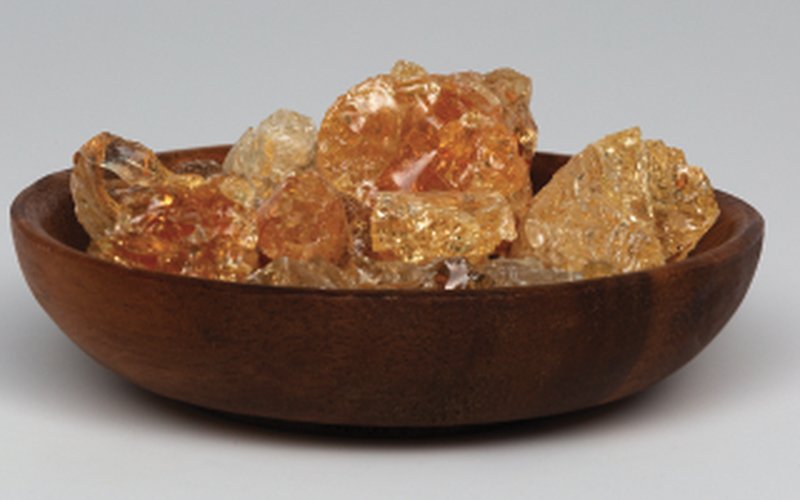
Gum arabic dietary fiber in bulk
Both species, spray-dried and agglomerated, conventional and Oregon Tilth NOP organic. 90%+ soluble fiber in 25 kg bags, from a single bag to full pallets, out of US stock. Country of origin Germany.
Both species, spray-dried and agglomerated, conventional and Oregon Tilth NOP organic. 90%+ soluble fiber in 25 kg bags, from a single bag to full pallets, out of US stock. Country of origin Germany.
Grade, pack, order volume, stock position and lot paperwork are below. For use rates and application work, the acacia fiber formulation guide covers that side.
Gum acacia, gum arabic and acacia fiber are the same ingredient under different names. It is the dried exudate of acacia trees, cleaned and spray-dried into a soluble powder. On a US label it is usually written as acacia fiber or gum arabic fiber, because FDA recognizes it as a dietary fiber under 21 CFR 101.9 as an isolated non-digestible soluble carbohydrate with a demonstrated physiological effect.
It is 90%+ soluble dietary fiber by weight, dissolves in cold and hot water, holds low viscosity at high solids, and is fully fermented by colonic microbiota. It is kosher, halal, non-GMO and gluten-free, and it carries zero FALCPA allergens.
Identity: CAS 9000-01-5 · INS 414 / E414 · HTS 1301.20 · Acacia seyal and Acacia senegal · label names: acacia fiber, gum arabic fiber, gum acacia
Acacia seyal is the usual choice. It carries a higher total polysaccharide fraction and a lower arabinogalactan-protein load, so it delivers the fiber at a lower cost per kilo and stays low in viscosity when you push solids up.
Acacia senegal meets the same fiber definition. Take it when the same ingredient also has to do emulsification work somewhere else in the formula, which is where the higher AGP fraction earns its price.
Both species come in two physical forms. Spray-dried powder is fine and free-flowing and dissolves fast. Agglomerated has a larger particle size, better flow and less dust, which is what large-volume dry handling and dust-sensitive operations want. Both species are available conventional and Oregon Tilth NOP certified organic, which gives seven grades across the line.
If you know the finished product but not the grade, the gum acacia grade guide works through 84 applications and gives the species and form for each. Request a sample
Gum arabic fiber ships in 25 kg bags, palletized for larger orders. Both forms use the same pack.
PAT sells from a single 25 kg bag up to full pallets. There is no pallet-quantity gate on a first order. Commercial minimums vary by grade and by conventional versus organic, so tell us the grade and the volume and we will confirm what is available right now.
Samples typically ship within one business day. Commercial orders ship from US warehouse stock, so you are not waiting on an import lead time. Lead time on a specific grade and volume moves with the stock position, so ask and we will give you the current number.
Every order ships with a lot-specific Certificate of Analysis and an SDS. The full regulatory pack is available on request: manufacturer specification sheet, allergen statement, Non-GMO statement, kosher and halal certificates, country of origin statement, and the manufacturer's FSSC 22000 audit certificate. On organic grades the Oregon Tilth NOP certificate ships with the lot.
Buyers running a supplier qualification can get current versions of the compliance documents through the documentation portal.
The country of origin is Germany. PAT sources through a long-standing relationship with a German manufacturer. The acacia is cleaned, dissolved, spray-dried, and packaged at FSSC 22000 certified facilities in Germany before shipping to US warehouses. That processing is the substantial transformation that sets country of origin, so the country of origin of PAT's gum acacia is Germany.
PAT sells from a single 25 kg bag up to full pallets. There is no pallet-quantity gate on a first order. Commercial minimums vary by grade and by whether the material is conventional or organic, so tell us the grade and the volume and we will confirm what is available now.
25 kg bags. Bags are palletized for larger orders. Both spray-dried powder and agglomerated forms use the same pack.
Samples typically ship within one business day. Commercial orders ship from US warehouse stock, so you are not waiting on an import lead time. Contact us for the current lead time on a specific grade and volume.
Acacia seyal is the usual choice for fiber fortification. It carries a higher total polysaccharide fraction and a lower arabinogalactan-protein load, which makes it the cost-effective option where the formula needs fiber content and not emulsification. Acacia senegal also meets the fiber definition and is available if the same ingredient has to do emulsification work elsewhere in the formula.
Yes. FDA recognizes gum acacia as a dietary fiber under 21 CFR 101.9, meeting the criteria for an isolated non-digestible soluble carbohydrate with a demonstrated physiological effect. It is 90%+ soluble dietary fiber by weight. The common US label names are acacia fiber and gum arabic fiber. The full regulatory breakdown is here.
Soluble. Gum arabic is 90%+ soluble dietary fiber by weight, dissolving clear in cold or hot water at low viscosity. It carries no insoluble fraction worth formulating around, which is why it works in clear beverages where an insoluble fiber would cloud or settle.
Yes. PAT is certified organic by Oregon Tilth to the USDA NOP standard. Organic grades cover Acacia senegal in spray-dried and agglomerated forms and Acacia seyal spray-dried. The NOP organic certificate ships with the lot on organic grades.
The country of origin is Germany. PAT sources through a long-standing relationship with a German manufacturer. The acacia is cleaned, dissolved, spray-dried, and packaged at FSSC 22000 certified facilities in Germany before shipping to US warehouses. That processing is the substantial transformation that sets country of origin, so the country of origin of PAT's gum acacia is Germany.
Send the grade, the form, conventional or organic, and the annual volume. We will come back with availability, current lead time and a quote. If you are still choosing between species, ask for both samples and run them.
Request a sample