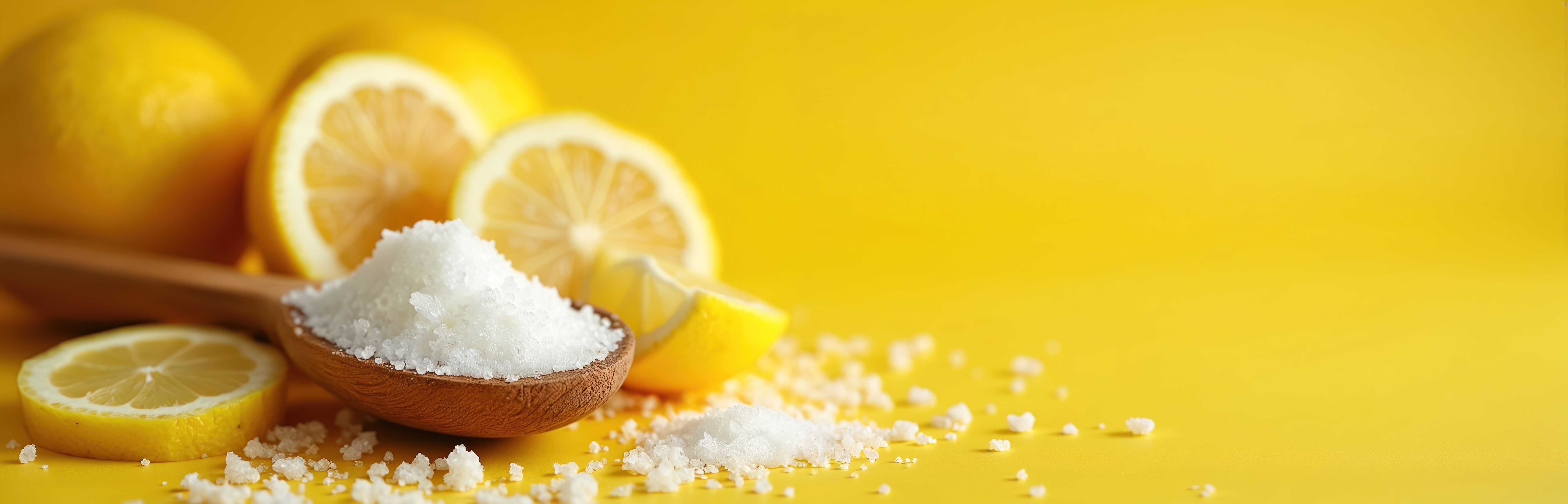
Food-grade citric acid
Anhydrous USP/FCC, fine granular 30–80 mesh. Beverage, supplement, confectionery, cannabis, sauces, dairy, personal care. In stock.
Anhydrous USP/FCC, fine granular 30–80 mesh. Beverage, supplement, confectionery, cannabis, sauces, dairy, personal care. In stock.
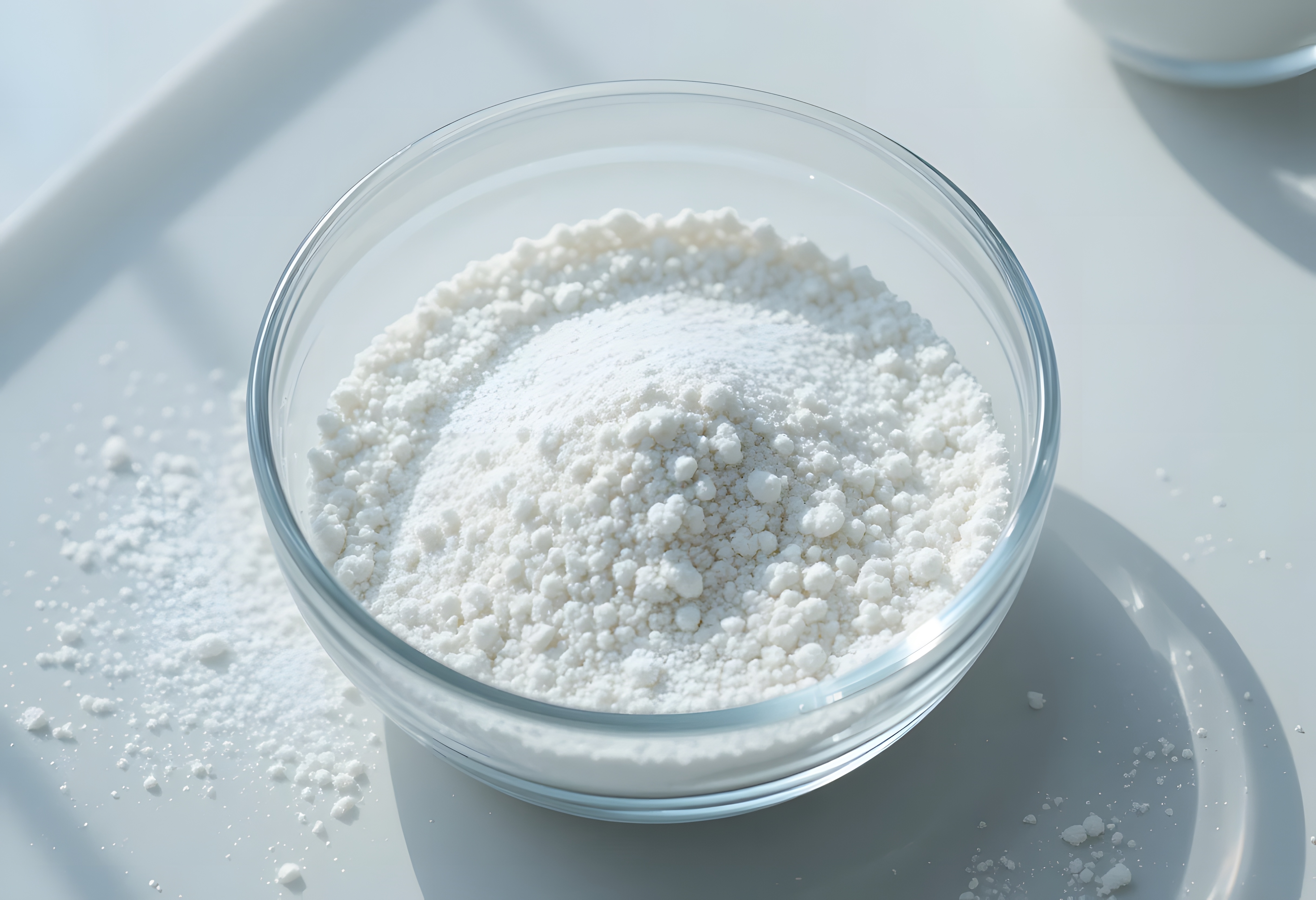
Citric acid anhydrous fine granular, USP/FCC food grade.
PAT supplies food-grade citric acid in bulk to North American beverage, supplement, and food manufacturers. Anhydrous fine granular 30–80 mesh, USP/FCC food grade, non-Chinese origin, AD/CVD cleared.
Citric acid (CAS 77-92-9) is a triprotic organic acid produced by microbial fermentation of plant-derived sugars using Aspergillus niger. It is GRAS under 21 CFR 184.1033 with no functional-use limits and one of the most universally cleared acidulants in the US Code. INS 330 / E330 globally.
PAT stocks the anhydrous form, fine granular 30–80 mesh. Anhydrous contains ≤0.5% moisture and is the standard for beverage, supplement, confectionery, cannabis, and food-manufacturing applications. The monohydrate form (7.5–9.0% bound water) is used in specific confectionery applications or when a legacy spec requires it; contact us if you need monohydrate.
CSD, RTD tea, sports drinks, prebiotic sodas, seltzers, energy. Citric + citrate buffer holds pH 3.0–3.8 reproducibly. Fast dissolution in cold syrup-room batching.
Targets pH 3.2–3.8 for quillaja saponin and gum acacia emulsion stability. Chelates trace metals that catalyze terpene and cannabinoid oxidation. Add to aqueous phase before high-shear emulsification.
Lowers pH for pectin gelation (3.0–3.5 set window). High-load sour coating up to 100% citric dust. Add post-cook below 85°C to prevent pectin hydrolysis. Same role in conventional and cannabis / THC gummies.
Lands pH ≤4.6 for 21 CFR 114 acidified-food compliance. Brightens tomato without vinegar note. Chelates iron in mayonnaise to prevent rancid metallic off-notes.
pH targeting in fruit fillings, jam, and icing. Controls Maillard browning. Sugar inversion control in fondant. Encapsulated form for delayed leavening (specialty SKU, contact us).
Sorbet and fruit-ice pH at 3.4–3.8 for flavor lift. Chelates calcium in processed cheese to soften curd matrix. Cleaner flavor than lactic in non-cultured dairy.
The only practical food-grade acid for controlled CO₂ evolution with sodium bicarbonate. Anhydrous is mandatory: monohydrate's bound water triggers premature reaction at the tablet press.
Final pH adjuster for shampoos and conditioners (target 4.5–5.5). Chelates Ca/Mg from hard tap water to improve lather. Food-grade spec simplifies regulatory submissions.
PAT stocks the anhydrous form in bulk, USP/FCC food grade, non-Chinese origin.
Request a SampleCoA and SDS ship with every order. The full regulatory pack (spec sheet, allergen and GMO statements, kosher and halal certificates, manufacturer audit, country of origin, and lot-specific organic-compatibility documentation) is available on request through PAT's regulatory team. All material is non-Chinese origin, AD/CVD cleared.
Anhydrous citric acid contains ≤0.5% moisture. Monohydrate contains 7.5–9.0% bound water of crystallization. For dry applications (effervescent tablets, powder beverage mixes, dry sauce blends), anhydrous is required; the bound water in monohydrate destabilizes other hygroscopic components and shortens dry-mix shelf life. For aqueous systems, both work, but anhydrous is simpler because the assay number on the CoA is the citric acid number with no moisture correction needed.
PAT stocks anhydrous fine granular 30–80 mesh. If your spec requires monohydrate, contact us.
0.05–0.20% w/w in finished beverage; 0.10–0.25% of the concentrated nano-emulsion premix before dilution; 0.15–0.30% in concentrated hash rosin elixir formats. Target pH 3.2–3.8. Below 2.8, quillaja saponin precipitates and gum acacia emulsification degrades. Add citric to the aqueous phase before high-shear or microfluidization. Adding after emulsification creates local pH gradients that crack the saponin interface.
For the full chemistry of why citric and gum acacia both work in the 3.2–3.8 window, the buffer math, and the add-order sequence, see our article on cannabis nano-emulsion stability with citric acid and gum acacia.
Yes, with a sensory trade-off. Citric delivers front-loaded, sharp sourness with a fast onset and clean finish. Malic builds more slowly and lasts longer: the "long sour" in most commercial sour gummies. Many formulas blend both at 2:1 to 3:1 citric:malic to combine front-load punch with lasting duration. If you switch 100% malic to 100% citric, expect sharper initial bite and shorter sour duration.
Citric acid plays the same role in cannabis gummies as in conventional sour gummies: lowering pH for pectin gelation (target 3.0–3.5) and providing the sour profile in both the syrup and any topical coating. Typical inclusion is 0.5–3% in the deposit and 5–15% in the sour coating, identical to conventional formats. The THC active (distillate, rosin, or nano-emulsified) is independent of citric acid chemistry. Add citric post-cook below 85°C for pectin systems to avoid hydrolysis. If you're using a nano-emulsified THC concentrate for faster onset, pre-acidify the aqueous phase before adding the emulsion to avoid local pH gradients that destabilize the saponin or acacia interface.
For the full breakdown of the two overlapping pH windows (pectin set and emulsion stability), the add-order sequence, and the failure modes with diagnostic timing, see our article on cannabis gummy formulation with citric acid and gum acacia.
Citric acid itself does not form benzene. The benzene-formation reaction involves sodium benzoate and ascorbic acid (vitamin C) at pH below 3.6 under heat or light. The 2006 FDA advisory covers this combination. If your formula contains sodium benzoate without ascorbic acid, benzene formation is not a concern. If it contains both, substitute sorbate for benzoate, buffer pH above 3.6, or remove ascorbate.
Effervescent tablets rely on the citric acid + sodium bicarbonate CO₂ reaction, which requires a dry environment. Any available moisture triggers premature effervescence in the blender or at the tablet press. Anhydrous citric (≤0.5% moisture) keeps the blend stable; monohydrate (7.5–9.0% bound water) triggers the reaction during processing and prevents proper tablet formation. Manufacturing rooms are kept below 30% RH for the same reason.
Target pH 3.2–3.8. At pH 3.5, using Henderson-Hasselbalch at pKa₁ 3.13, you need roughly 0.30 g/L citric acid plus 0.70 g/L monosodium citrate equivalent per liter of finished beverage for adequate buffering. Hard water above 200 ppm CaCO₃ requires 10–25% more citric to reach target pH because calcium and magnesium buffer the acid before pH drops. Pre-dissolve in soft or RO water for most reproducible results across production runs.
pKa₁ 3.13, pKa₂ 4.76, pKa₃ 6.40 at 25°C. Citric acid is a triprotic acid, and the three dissociation constants are what make it the standard buffering acid in beverages: at a typical beverage pH of 3.2 to 3.8 the first dissociation does most of the work, and citrate salts buffer against it. The values appear on our specification summary along with the compendial identity tests.
Yes. Fermentation-derived citric acid is on the National List under 7 CFR 205.605(b) as a permitted non-organic ingredient in products labeled "organic" or "made with organic." It counts toward the 5% non-organic allowance. PAT can provide lot-specific documentation including an OMRI listing where the current lot carries it.
For the full breakdown of how citric acid and Oregon Tilth certified organic gum acacia work together in an NOP-certified beverage, see our article on NOP organic beverage formulation with citric acid and organic gum acacia.
No. The US antidumping and countervailing duty order (effective since 2009, 40–200%+ duties depending on producer) applies only to Chinese-origin citric acid. PAT sources exclusively from non-Chinese manufacturers. Country of origin and full import documentation are provided on every lot CoA.
Certified organic emulsifier for beverage, cannabis nano-emulsion, and fiber fortification. Pairs with citric acid for pH-stable emulsion systems. PAT stocks both.
Gum Acacia →Citric acid pairs with gum acacia for pH-stable water-soluble beverage emulsions in cannabis, hemp-THC, and conventional non-alcoholic formats. Both in stock.
Beverage emulsions →Spray-dried coconut MCT and sunflower oil powders in conventional and organic grades. US-made. Many formulations use citric acid and MCT oil powder on the same order.
Oil Powders →