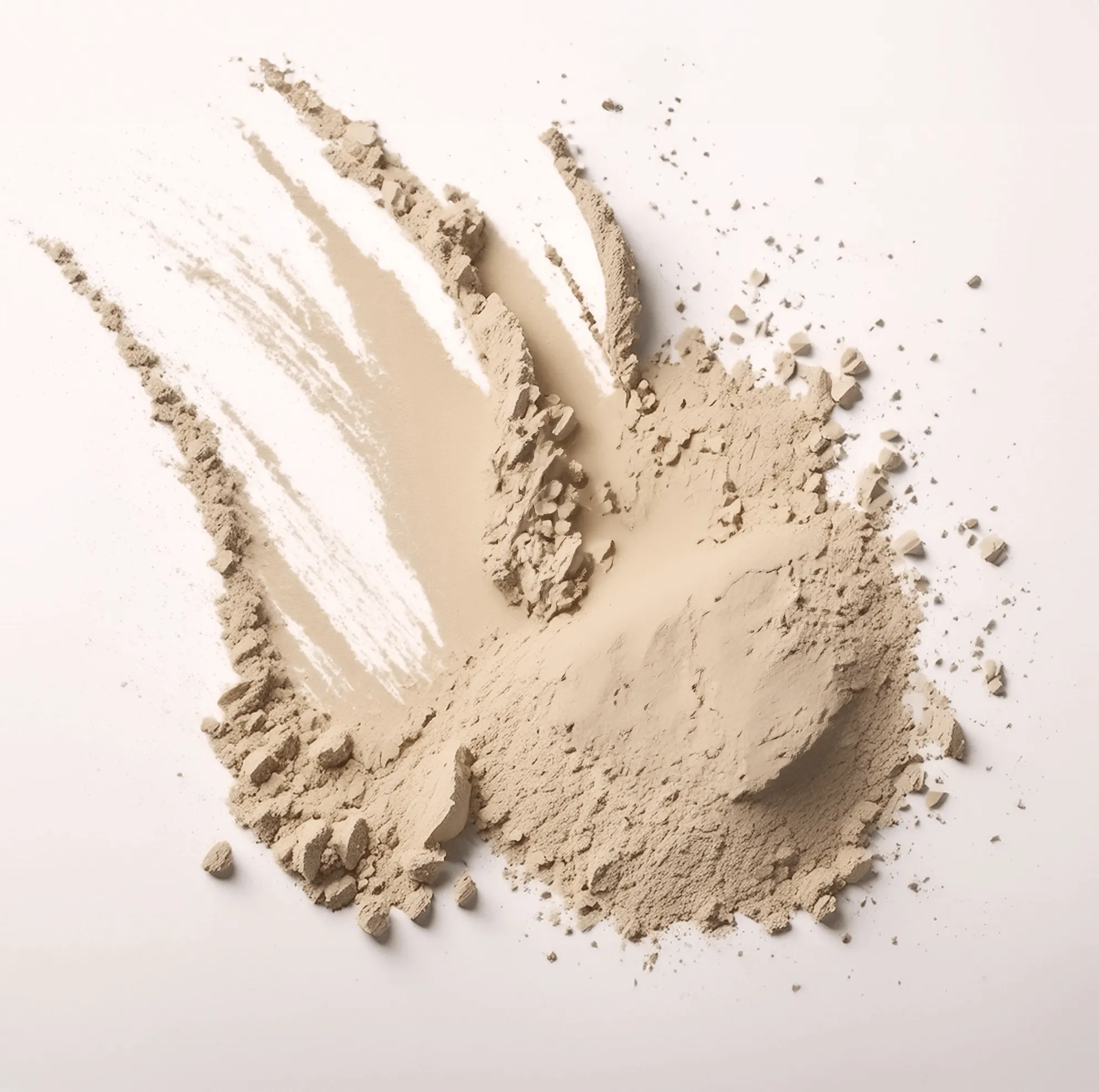
"Reishi powder" on a label tells a formulator very little. β-glucan content is the number reishi is usually sold on, and it is one of the hardest numbers in the category to verify.
β-Glucans: what they are
β-Glucans are polysaccharides, long-chain carbohydrates found in the cell walls of fungi and some grains. In reishi the main structures are 1,3/1,6-linked glucose chains. They are the compounds most reishi marketing points to.
Why β-glucan numbers vary
The industry has no single agreed method. Some suppliers report total "polysaccharides," which includes alpha glucans such as starch. A product claiming 30% polysaccharides may contain far less β-glucan.
Enzymatic assay kits measure β-glucan more specifically, but in a finished spray-dried powder the carriers (corn syrup solids, maltodextrin, added fiber) can interfere with the result. The same powder can test very differently depending on the method, the lab, and whether the sample was taken before or after drying.
When you evaluate a reishi supplier, ask three things: which assay produced the number, whether it was run on the finished powder, and whether the figure appears on the specification or only in marketing material.
Field-grown vs. precision fermentation
Field-grown reishi varies with the growing substrate, harvest timing and processing. Mycelium-on-grain products, the most common form in the market, often carry starch from the grain, which inflates a polysaccharide number.
Precision fermentation grows reishi in submerged liquid culture, with pH, temperature, dissolved oxygen and nutrients controlled. There is no grain substrate and no crop cycle, and production takes days.
| Parameter | Field-Grown | Precision Fermented (Ganogen®) |
|---|---|---|
| Time to harvest | Months to a year | Days |
| Process conditions | Environmentally variable | Controlled |
| Grain substrate starch | Possible | None |
| Solubility in water | Often poor | Fully soluble |
What we publish for Ganogen® reishi
We list what the producer's specification supports: fully water soluble, heat stable, a light and slightly sweet taste, carriers of corn syrup solids and polydextrose, and arsenic, lead and cadmium each at 0.5 ppm or less. We do not publish a β-glucan percentage for the finished powder. If your formula needs a declared β-glucan level, talk to us before you build a dose around it.
Formulation notes
Heat stability. The powder is heat stable, so it can go into baked goods, bars and hot drinks.
Flavor. Fermentation avoids the bitter, earthy taste common in field-grown reishi. The powder has a light, slightly sweet taste, which keeps it out of the way in drinks and food.
Carriers. The carriers are corn syrup solids and polydextrose. The powder flows and disperses well in capsule, stick pack and drink-mix formats. Corn syrup solids count toward added sugars on a Nutrition Facts panel, so check them against your formula's sugar target.
Summary for formulators
Before you build a reishi dose around a β-glucan number, ask how it was measured. Ganogen® reishi is a fully soluble, heat-stable fermented powder with documented heavy metal and microbiological limits. COA, TDS and allergen statement are available on request, and we carry lion's mane from the same producer.
Ganogen® reishi: fully water soluble, heat stable.
Contact us for samples and documentation. We respond the same business day.
Request a Sample