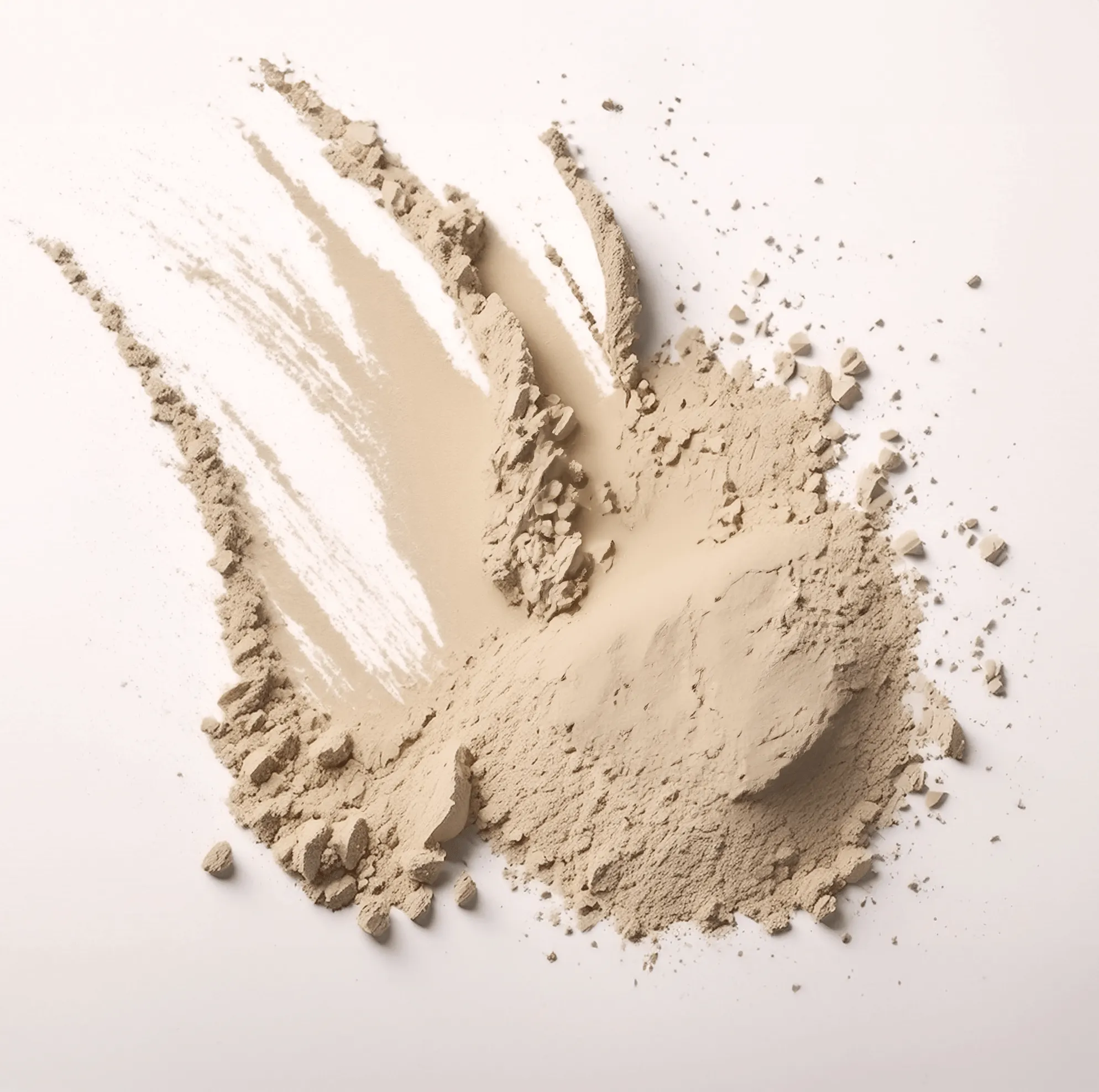
The mushroom supplement category has a standardization problem. "Reishi powder" or "Ganoderma lucidum extract" on a label tells a formulator almost nothing about what they're actually buying. β-glucan content, the primary bioactive compound in medicinal mushrooms, can range from under 5% in some field-grown products to 70% in precision-fermented grades. The difference is not trivial. It determines dosing, efficacy, and what claims a brand can credibly make.
β-Glucans: what they are and why they're the marker that matters
β-Glucans are polysaccharides, long-chain carbohydrates found in the cell walls of fungi and some grains. In medicinal mushrooms, β-glucans are the primary immunomodulatory compounds: they bind to receptors on immune cells, including macrophages, NK cells, and dendritic cells, and trigger a cascade of immune activation. The key β-glucan structures in reishi are the 1,3/1,6-linked glucose chains, and this is the mechanistic basis for reishi's immune health positioning in supplement applications.
The problem is that β-glucan testing is not standardized across the industry. Some suppliers report "polysaccharides" rather than β-glucans, a broader, less specific measurement. Alpha glucans, such as starch, are polysaccharides but have none of the immunomodulatory activity of β-glucans. A product claiming "30% polysaccharides" may have very little actual β-glucan content. When evaluating reishi suppliers, ask for β-glucan specifically, and ask which assay method was used to arrive at the number.
Field-grown vs. precision fermentation
The β-glucan concentration in field-grown reishi mushrooms is highly variable, anywhere from 2–30% in dried powder, depending on the growing substrate, harvest timing, processing method, and whether the product uses mycelium or fruiting body. Mycelium-on-grain products, which are the most common form in the market, frequently have high starch content from the grain substrate. That starch inflates polysaccharide numbers while diluting true β-glucan concentration. The result is a product that tests well on a broad polysaccharide assay and poorly on a β-glucan-specific one.
Precision fermentation, by contrast, produces reishi in controlled submerged liquid culture under defined parameters. The production environment (pH, temperature, dissolved oxygen, nutrient substrate) is actively managed for maximum β-glucan production. There is no grain substrate, no environmental variability, and no crop cycle. The result is a consistent, concentrated product that can be standardized to 70% β-glucan per production batch.
| Parameter | Field-Grown | Precision Fermented (Ganogen®) |
|---|---|---|
| β-Glucan content | 5–30% (variable) | 70% (standardized per batch) |
| Time to harvest | Months to a year | Days |
| Batch consistency | Environmentally variable | Controlled |
| Contamination risk | Higher | Lower |
| Grain substrate starch | Possible | None |
| Vegan / Organic | Varies | Yes |
The clinical evidence
Ganogen® is the only reishi ingredient we carry with published clinical study data. A randomized study conducted between 2014 and 2016 assessed immune markers in children consuming Ganogen® reishi in milkshake, yogurt, and supplement form over the study period. Results showed meaningful increases across multiple immune cell populations compared to a placebo group:
| Immune Marker | Baseline | After Ganogen® | Change vs. Placebo |
|---|---|---|---|
| Total Leukocytes | 8,853 cells/μL | 9,715 cells/μL | +862 cells/μL |
| CD4+ T-Helper Cells | 1,498 cells/μL | 1,622 cells/μL | +10% vs. ‑11% placebo |
| Immunoglobulin A (IgA) | 287 mg/dL | 306 mg/dL | +19 mg/dL |
| NK Cells | 318 cells/μL | 385 cells/μL | +67 cells/μL |
| Total Lymphocytes | — | — | +16% vs. ‑10% placebo |
| CD8 Cytotoxic T Cells | — | — | +15.2% vs. ‑5.3% placebo |
The existence of this data is meaningful for supplement brands building science-backed immune products. The study was conducted in a real-world delivery format (milkshake, yogurt, and capsule supplement), which supports structure/function claims across both food and supplement product types, not just encapsulated formats.
Formulation notes
Thermostability. Ganogen® reishi retains β-glucan activity through baking, brewing, and high-temperature food processing. That expands the application range significantly beyond capsules and tablets. Functional beverages, baked goods, and mix-in powders are all viable formats without the concern of bioactive degradation during processing.
Flavor profile. The precision fermentation process eliminates the bitter, earthy flavor common in field-grown reishi powders. That removes a formulation barrier for beverage and food applications, where flavor carry-through from an ingredient can force reformulation or masking strategies. Ganogen® is essentially tasteless, which simplifies finished-product development.
Carrier and flowability. This grade uses maltodextrin as the carrier, which provides good flowability and dispersibility in powder formats. If a no-maltodextrin specification is a hard requirement for your application, confirm the specific grade with us before ordering. For most capsule, tablet, and stick pack applications, the maltodextrin carrier is a non-issue.
Summary for formulators
If the goal is a credible mushroom immune supplement, the β-glucan number is the specification to anchor on, and 70% standardization at this price point is the benchmark to meet. The clinical study data on Ganogen® provides a documented efficacy story that differentiated brands can reference in their marketing material. Combined with the thermostability and neutral flavor profile, it's a technically versatile ingredient that works across formats where field-grown powders have limitations.
COA, TDS, and documentation from the clinical study are available upon request. We also carry Lion's Mane, with a 50% β-glucan standardization and a fermentation process matched to cognitive health applications.
Ganogen® Reishi: 70% β-glucans. Backed by a randomized clinical study.
Contact us for samples and documentation. We respond the same business day.
Request a Sample