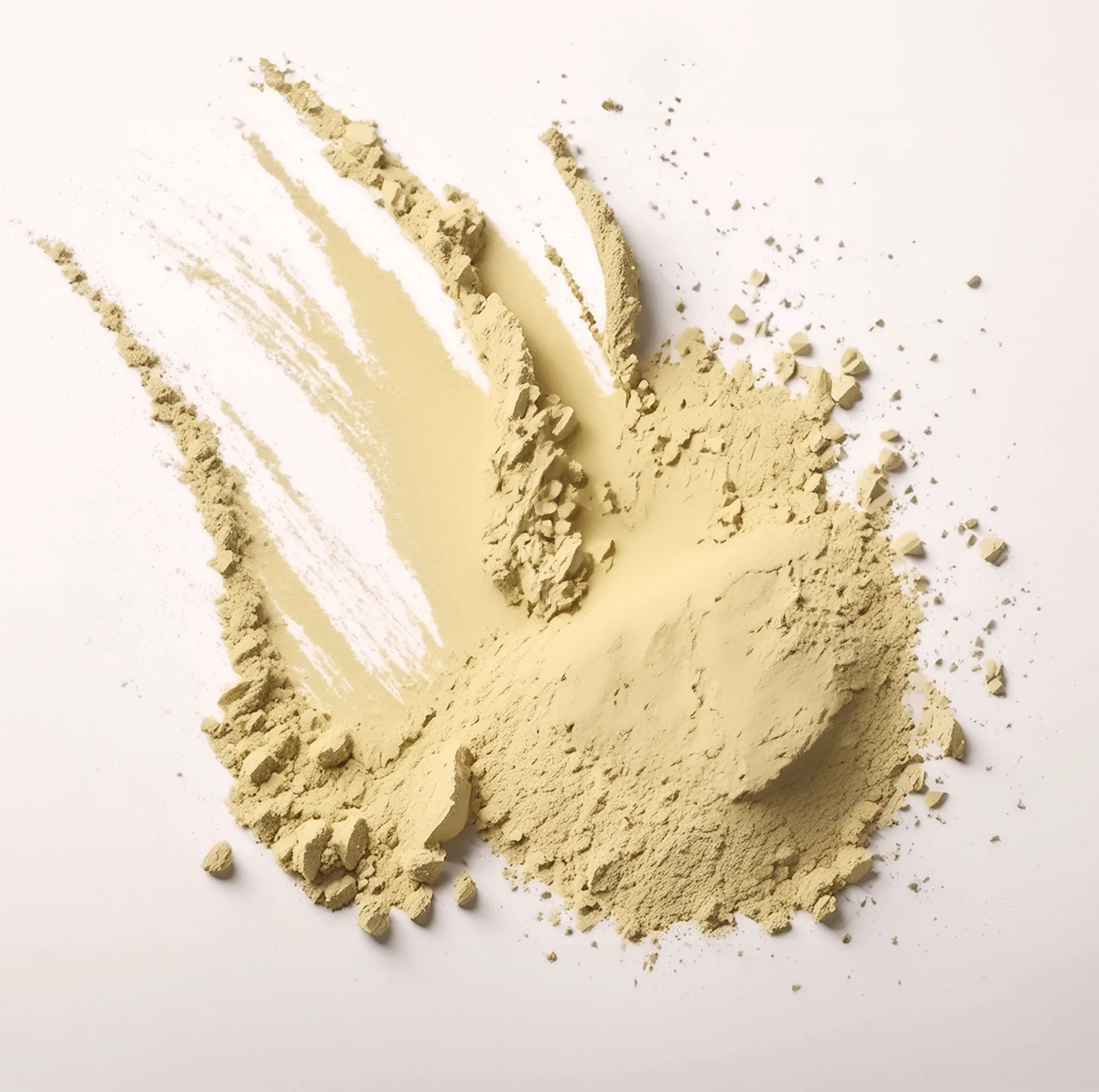
Pineapple powder occupies an unusual position in the ingredient market. It serves two distinct buyer segments: food and beverage formulators looking for a clean-label tropical flavor system, and supplement formulators interested in the naturally occurring bromelain content. These are different buyers with different decision criteria, but the same ingredient serves both.
The food and beverage use case
The core specs for procurement: 60% pineapple pulp concentration, prebiotic fiber carrier, 2% reconstitution rate. At 2% inclusion (2 g powder per 100 g finished product), formulators achieve a full-intensity tropical pineapple flavor. The cost-per-serving math works for premium beverage brands, functional food bars, and flavored protein powders when you start from a concentrated, high-performance base.
The prebiotic fiber carrier adds a label benefit beyond flavor. Prebiotic fiber is a recognized digestive health ingredient in functional food formulations. Carrying it in the flavor powder means the carrier contributes independent nutritional value that many formulators can leverage on the finished product label. This separates it from starch or maltodextrin carriers, which work reliably but add nothing to your label story.
An independent technical applications study (DID-R71, September 2025) evaluated this pineapple powder against a leading industry benchmark supplier on water activity, flavor intensity, and flowability. The results for pineapple powder: significantly higher intensity scores for sweetness and acidity versus the benchmark, with a more authentic tropical aroma profile. No bitterness detected. Preferred by trained panelists. Flowability (Hausner Index) was comparable between suppliers, confirming that process efficiency is not compromised for flavor quality. The practical implication: if you achieve target flavor at the standard 2% use rate rather than having to push inclusion higher to compensate for weaker flavor, your cost-per-serving works in your favor.
The bromelain consideration
Pineapple is the primary food source of bromelain, a mixture of proteolytic enzymes with documented effects on protein digestion, anti-inflammatory signaling, and connective tissue healing. Spray-dried pineapple powder retains naturally occurring bromelain from the fruit. This creates a dual-positioning opportunity: flavor ingredient in food, functional ingredient in supplements. The same SKU can serve a beverage flavor application and a digestive enzyme blend, depending on the buyer.
One important caveat for supplement formulators: bromelain activity is sensitive to pH and temperature. High-temperature processing and strongly acidic or alkaline conditions reduce enzymatic activity. For supplement formulations where documented bromelain activity is required at a specific level (digestive enzyme products with labeled enzyme units, for example), purpose-extracted and standardized bromelain is the appropriate choice. For applications where naturally occurring bromelain is a supporting ingredient rather than the primary labeled active, spray-dried pineapple powder is appropriate. Do not make quantified bromelain activity claims based on this powder without independent analytical testing of the specific lot.
Supplement applications
Digestive enzyme complexes: Pineapple powder as a natural bromelain source alongside papain from papaya in broad-spectrum plant enzyme formulas. Commonly positioned as "natural digestive support from whole food sources." The naturally-derived story resonates with natural channel brands building enzyme products around whole-food ingredients rather than isolated enzyme concentrates.
Post-workout recovery formulas: Bromelain's proteolytic activity supports protein digestion efficiency post-exercise and has been studied for anti-inflammatory effects relevant to muscle recovery. Pineapple powder in sports nutrition supplements pairs well with proteolytic enzyme blends and tropical-flavored recovery drink mixes where it contributes both flavor and a functional ingredient claim.
Joint support formulas: Bromelain has documented clinical research behind anti-inflammatory mechanisms relevant to joint and cartilage health. Pineapple powder as a natural-source ingredient in joint support stacks alongside turmeric, boswellia, and collagen is a recognized formulation pattern in the natural supplement category.
Tropical flavor for supplement powders: Many supplement brands prioritize flavor in powder formats: protein supplements, greens powders, recovery drinks. Pineapple adds natural tropical flavor without artificial flavoring systems. The prebiotic fiber carrier also reinforces a gut health co-benefit that works well in the greens and superfoods powder category.
A note on the 2% use rate
For food and beverage applications, the optimal reconstitution rate documented in sensory testing is 2%: 2 g per 100 g finished product. The procurement math: 10 kg of pineapple powder yields 500 kg of flavored product at that inclusion rate. This is a useful number for initial feasibility modeling before you run bench samples. The same 2% rate applies to orange powder, which shares the prebiotic fiber carrier and a similar flavor intensity profile. Lime and lemon powders use a 1% rate due to their higher juice concentration (84% and 87% respectively), so if your formulation spans multiple citrus varieties, use rates are not interchangeable without adjustment.
PAT supplies spray-dried pineapple powder.
Contact us for specifications, samples, and independent sensory study results.
Request a Sample