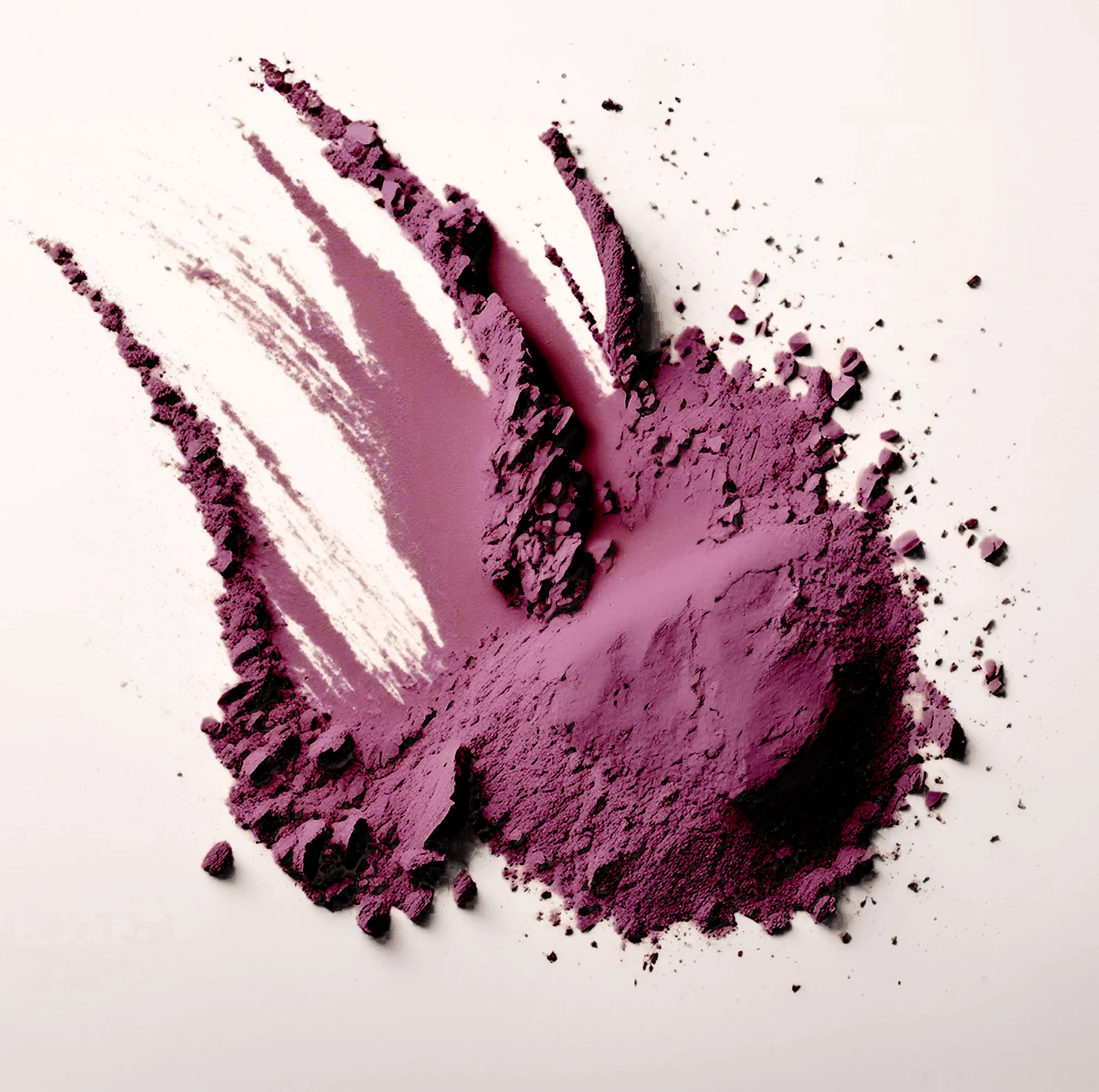
Acai has been in the North American supplement market long enough that most buyers know what it is. What's less understood is the significant variation in quality, concentration, and carrier systems between suppliers, and how those differences affect the finished product. This is the formulator's view of spray-dried acai powder: what the specs actually mean and what to ask a supplier before committing to a supply relationship.
Euterpe precatoria vs. Euterpe oleracea
Most commercially available acai is Euterpe oleracea, the plantation-grown variety from Brazil's coastal regions. The powder we supply is from Euterpe precatoria, the wild Amazonian variety harvested from river basin palms in Colombia. The bioactive profiles of the two species differ: Euterpe precatoria has a distinct anthocyanin composition and a higher oleic acid content in the lipid fraction.
For suppliers making provenance-based marketing claims, the distinction matters. Ask your supplier which species they're supplying and request documentation confirming the botanical source. COA language referencing only "acai" without species designation is a red flag.
What the concentration number means
A 74% pulp concentration means 74% of the spray-dried powder by weight is derived from acai pulp. The remaining 26% is the carrier system. In this grade, the carrier is prebiotic fiber and acacia gum. No maltodextrin. Carrier selection has a direct effect on the finished label: maltodextrin is technically a carbohydrate derived from corn or potato starch, and while it's GRAS, it triggers clean-label scrutiny in natural channel products.
Acacia gum and prebiotic fiber are both ingredients that carry independent functional claims, specifically dietary fiber and prebiotic activity, and read as whole-food-friendly on a supplement facts panel. For brands targeting natural channel buyers or making clean-label claims, the carrier is a meaningful procurement consideration, not a formality.
The anthocyanin number
The 9% anthocyanin content in this grade is a standardized specification, verified per production batch. Anthocyanins are the deep purple pigments responsible for acai's antioxidant activity and its ORAC score positioning. The primary anthocyanins in acai are cyanidin‑3‑glucoside and cyanidin‑3‑rutinoside. A 9% standardization is a meaningful concentration relative to what's typical in this category.
For supplement formulations making antioxidant claims, anthocyanin content is the relevant specification to request documentation on, not total polyphenols, which is a broader and less specific category. Ask for the analytical method used (HPLC is the standard) and request a COA showing the anthocyanin result from a recent production lot.
Carrier and shelf life considerations
The acai lipid content (high oleic acid fraction) means spray-dried acai powder is more susceptible to oxidative rancidity than most fruit powders. Proper storage conditions and packaging matter. Nitrogen-flushed packaging and cool, dry storage below 65°F extend shelf life. The acacia gum and prebiotic fiber carrier in this grade contributes to lower water activity compared to maltodextrin-based alternatives. An independent technical study (DID-R71, September 2025) found this powder demonstrated lower water activity and superior flavor retention versus a leading benchmark supplier.
When evaluating suppliers, ask for water activity data alongside the standard COA. Lower water activity translates directly to better microbiological and physicochemical stability across the supply chain. It also affects how the powder performs in encapsulation and blending operations at your facility.
Application categories
Spray-dried acai powder is a versatile B2B ingredient across several finished product categories.
Antioxidant supplement capsules and softgels: The 9% anthocyanin standardization makes this powder suitable for supplements making ORAC-based or anthocyanin-based antioxidant claims. Typical inclusion rates in capsule formulas range from 500 mg to 2,000 mg per serving.
Functional beverage powders: High solubility and deep purple color make acai powder a strong visual ingredient for smoothie mixes and RTD beverage powders. The color is pH-sensitive. It remains stable in acidic formulations and shifts toward blue-grey at neutral or alkaline pH. Plan your formulation pH accordingly.
Beauty-from-within supplements: Acai's antioxidant profile and oleic acid content align with skin health and anti-aging supplement positioning. It's common in collagen support and beauty supplement stacks, where the combination of polyphenols and healthy lipids supports a coherent multi-mechanism claim.
Sports and recovery formulas: The broader phytochemical and polyphenol profile makes acai a relevant antioxidant ingredient in post-workout and recovery formulations, often combined with other high-ORAC fruit extracts.
PAT supplies spray-dried acai powder from wild Euterpe precatoria
74% pulp concentration, 9% anthocyanins, prebiotic fiber and acacia gum carrier. COA and TDS available on request.
Request a Sample